A forest becomes easier to understand when you stop treating it as a single green thing. Light, water, fallen wood, and the changing shape of the ground each tell a different part of the story.
Begin with the light
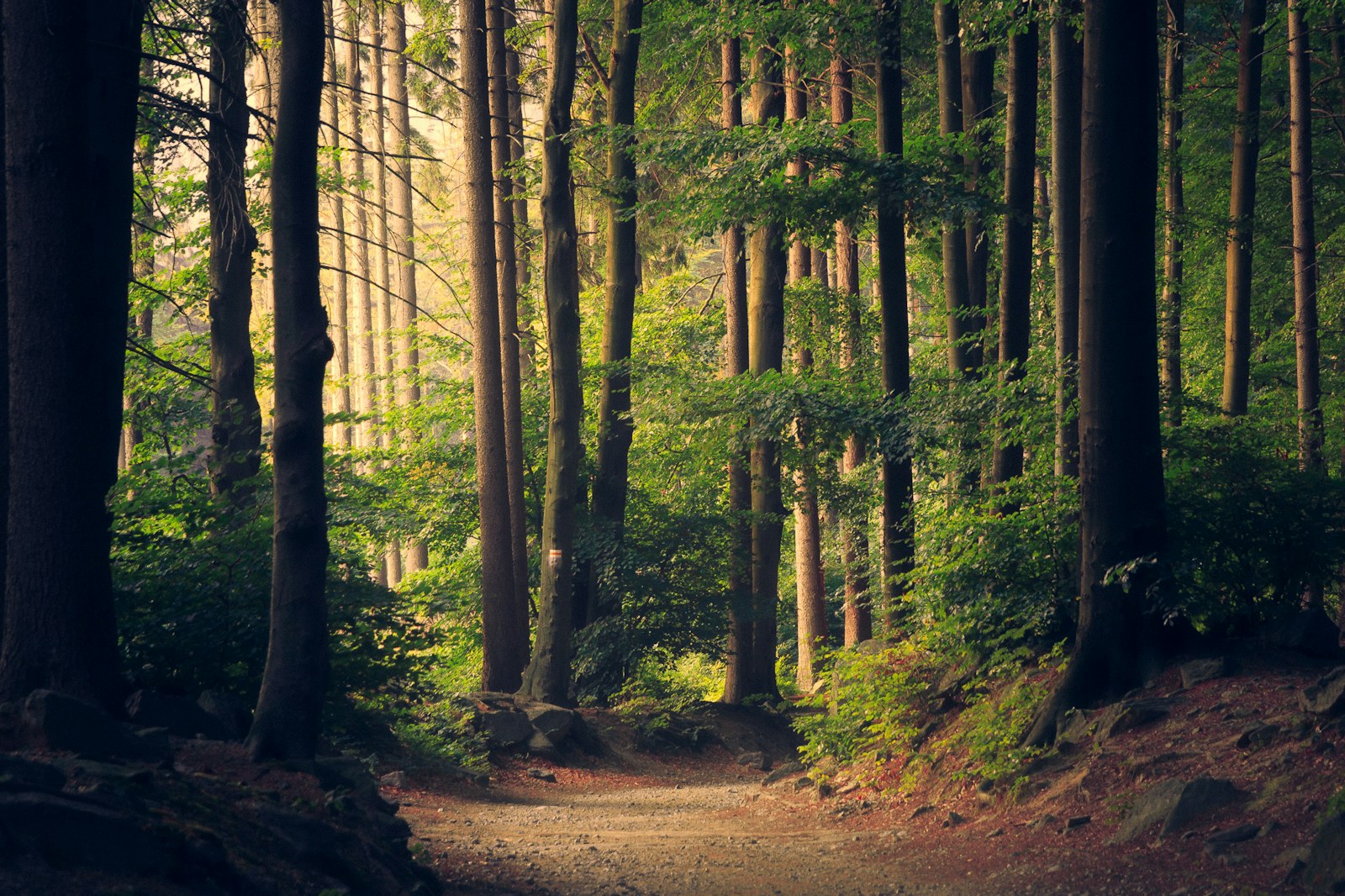
Look for the difference between the edge of a wood and its interior. The brighter spaces often have a different mix of plants from the shaded ground beneath a dense canopy. You do not need to identify every species to notice that the pattern changes.
Try visiting the same short section of public path at different times of day. A shaft of light can make a familiar corner feel entirely new. Stay on marked paths where required, particularly around fragile ground and nesting areas.
Notice what has fallen
A fallen branch is part of the woodland rather than a piece of untidiness. Look closely from the path and you may see mosses, fungi, and small insects using its surface. Leave it in place: moving wood can disturb the things living beneath it.
Keep observation separate from collecting. A photograph or a quick sketch records the detail without removing it. Never taste a plant or fungus on the basis of an article, an image, or an identification app.
Make a small record
Draw a simple map of one section of path. Mark a large tree, a wet hollow, and the place where the ground becomes lighter. Add one question you would like to return to, rather than a list of names you feel you should already know.
Revisit the place after a change in season. The useful discovery may be a missing sound, a new leaf, or a different amount of light reaching the ground. Familiarity makes these small changes easier to see.